Forget the perfect wave-your first surf session can fall apart before you even reach the water.
Beginner surfers often focus on the board and overlook the gear that keeps them safe, comfortable, and confident at the beach.
This checklist breaks down the essential surf gear you actually need before paddling out, from wetsuits and leashes to sun protection and board wax.
Pack smart now, and you’ll spend less time fixing problems on the sand-and more time learning how to surf.
Beginner Surf Gear Essentials: What You Actually Need Before Your First Beach Session
Your first surf session does not require a full premium surf gear setup, but a few essentials make the difference between learning safely and wasting money. Start with a soft-top beginner surfboard, usually 8 to 9 feet, because it gives better stability, easier paddling, and fewer painful knocks when you fall.
If you are unsure about board size or local conditions, renting from a surf school is often smarter than buying on day one. For example, a beginner at a mellow beach break will usually progress faster on a large foam board than on a shortboard that looks cool but sinks and turns too quickly.
- Soft-top surfboard with leash: Choose volume and stability over style; the leash keeps the board close and protects other surfers.
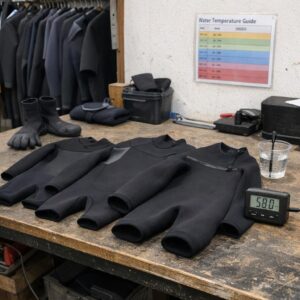
- Wetsuit or rash guard: Match it to water temperature, not air temperature, especially for early morning sessions.
- Surf wax, reef-safe sunscreen, and waterproof key pouch: Small items, but they prevent slipping, sunburn, and car-key disasters.
Before leaving home, check tide, wind, and swell using Surfline or a similar surf forecast app. In real beach conditions, a light offshore wind and waist-high waves are far better for beginners than messy, powerful surf, even if the wave height looks exciting online.
Also budget for practical beach accessories: a changing towel, insulated water bottle, flip-flops, and a basic first aid kit. These low-cost items are not flashy, but they make your first beach session smoother, safer, and much more comfortable.
How to Pack and Prepare Your Surf Gear Checklist for a Safe, Stress-Free Day
Pack your surf gear the night before, not in the beach parking lot. I’ve seen beginners arrive with a board and wetsuit but no leash, no wax, and no sunscreen, which can turn a good surf session into an expensive rental shop run.
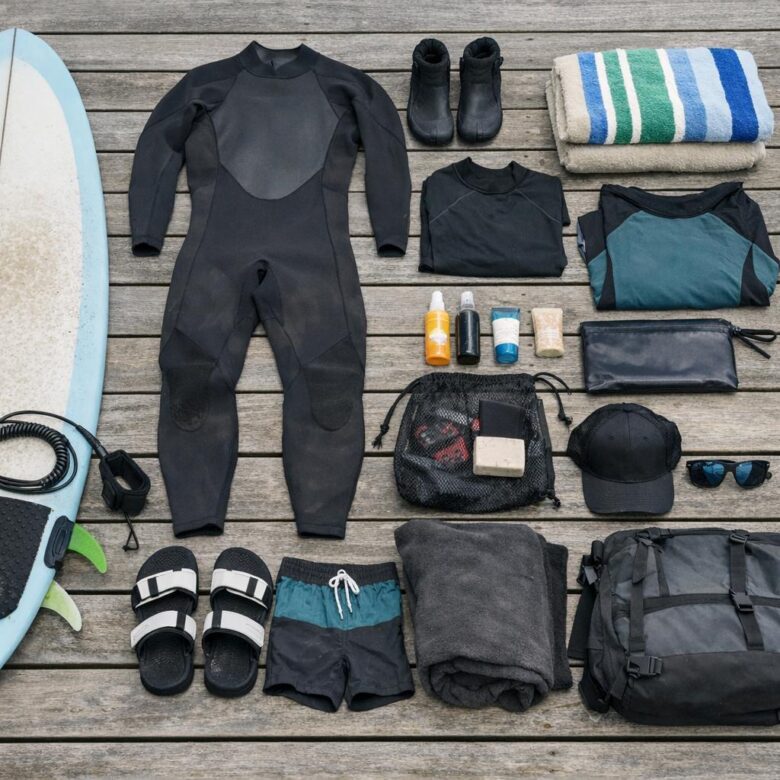
Start with the essentials: surfboard, leash, fins, surf wax, wetsuit or rash guard, reef-safe sunscreen, towel, water bottle, and a dry bag for your phone and keys. Use a simple checklist app like Google Keep to save your surf equipment list, then tick items off before every trip.
- Safety gear: leash, first aid kit, sunscreen, and a bright rash guard if the lineup is busy.
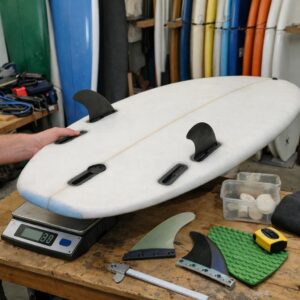
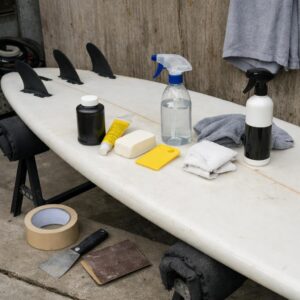
- Board care: wax, fin key, spare screw, board bag, and ding repair tape for small emergencies.
- Comfort items: change robe, sandals, snacks, insulated water bottle, and wet gear bag.
Before leaving, check surf conditions using Surfline or a local tide app, especially if you are still learning how waves, wind, and tide affect beginner-friendly surf spots. For example, a soft-top longboard may be perfect on a small clean morning, but frustrating and unsafe in strong afternoon wind.
Keep heavy items low in your car and secure the board properly with quality roof rack straps if it will not fit inside. At the beach, apply sunscreen before suiting up, attach your leash to the tail, check your fins, and do one last scan for rocks, swimmers, and rip currents.
Common Beginner Surf Gear Mistakes to Avoid Before Paddling Out
One of the biggest beginner mistakes is choosing a surfboard that looks “cool” instead of one that matches your weight, fitness level, and wave conditions. A shortboard may seem cheaper to transport, but for most first sessions, a foam longboard or soft-top surfboard rental gives better stability, safer wipeouts, and faster progress.
Another common issue is underestimating the wetsuit. Water temperature matters more than air temperature, and buying the wrong thickness can make a session miserable. Before spending money, check local surf reports on Surfline and compare wetsuit cost, zipper style, and neoprene thickness for your beach conditions.
- Skipping leash checks: A cracked surf leash can snap in small waves and send your board toward other surfers.
- Using regular sunscreen: Choose reef-safe, water-resistant sunscreen made for ocean sports.
- Forgetting wax type: Cold-water surf wax will feel slippery in warm water, and warm-water wax can turn hard in colder surf.
I’ve seen beginners arrive with a brand-new board but no fins, no leash, or a wetsuit that was too thin for morning wind chill. For example, someone surfing in Southern California might need a 3/2mm wetsuit in spring, while a rash guard could be enough in warmer summer water.
Also, avoid buying every surf accessory on day one. Start with reliable essentials, then upgrade after you know your local break, storage needs, and whether surf lessons, board rental packages, or a used beginner surfboard offer better value.
Expert Verdict on Best Surf Gear Checklist for Beginners Before Going to the Beach
The right beginner surf gear should make your first beach sessions safer, simpler, and more enjoyable-not more complicated. Prioritize comfort, fit, and local conditions over flashy extras, and choose equipment that supports learning rather than performance.
Practical takeaway: start with the essentials, test what works for your body and surf spot, then upgrade gradually as your skills improve. If you’re unsure, ask a local surf shop or instructor before buying. Smart gear choices help you spend less time worrying on the sand and more time building confidence in the water.