Your first surf trip can change your life-or become an expensive lesson in bad planning.
Between swell forecasts, board choices, crowded lineups, reef breaks, travel insurance, and choosing the right destination, there’s more to think about than simply booking a beach hotel and hoping for waves.
The best surf trips are built around your skill level, the season, local conditions, and smart logistics-so you spend more time catching waves and less time dealing with avoidable mistakes.
These surf travel tips will help you plan confidently, pack wisely, choose the right spot, and make your first surf adventure safe, smooth, and unforgettable.
What to Know Before Your First Surf Trip: Skill Level, Surf Seasons, and Wave Conditions
Before booking flights or a surf camp package, be honest about your current ability. If you are still learning to paddle, pop up, and control your board, choose destinations with mellow beach breaks, reliable surfboard rental, and beginner-friendly surf lessons rather than famous reef breaks.
Surf season matters more than many first-timers realize. A beach that looks perfect in summer can become heavy, windy, or advanced-only in winter, so check seasonal swell direction, local wind patterns, tides, and water temperature before paying for accommodation or travel insurance.
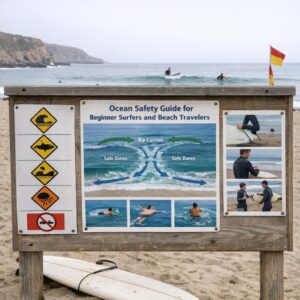
- Beginners: look for waist- to chest-high waves, sandy bottoms, lifeguards, and surf schools nearby.
- Improvers: choose consistent spots with multiple breaks, so you can move if conditions change.
- Avoid: shallow reefs, strong currents, crowded point breaks, and remote beaches without rescue access.
Use Surfline or Windy to compare wave height, swell period, wind direction, and tide times before each session. For example, in Portugal, Ericeira may offer excellent surf, but a beginner is often better starting at a protected beach on a smaller day instead of paddling out at a powerful reef break.
A practical rule: plan your first surf trip around safety and consistency, not the biggest waves. Paying a little more for a reputable surf school, flexible board rental, and accommodation within walking distance of beginner breaks can save money, reduce stress, and help you surf more often.
How to Plan Your Surf Travel Essentials: Destination, Budget, Gear, Lessons, and Insurance
Start by matching your destination to your skill level, not just the photos you see online. For a first surf trip, choose consistent beginner-friendly beaches with sandy bottoms, surf schools, board rentals, and nearby medical facilities. Use Surfline or Magicseaweed-style forecast tools to check wave size, wind, tide, and seasonal conditions before booking flights.
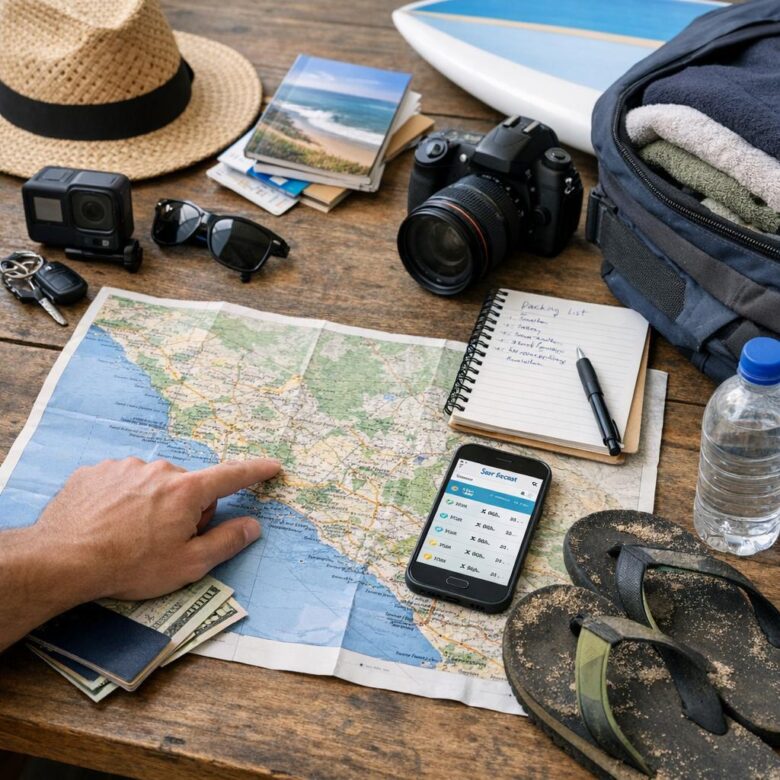
Your surf travel budget should include more than airfare and accommodation. Factor in airport transfers, surfboard rental fees, wetsuit rental, baggage charges, travel insurance, food, lesson packages, and a backup fund for bad weather days. For example, a beginner heading to Ericeira, Portugal, may save money by booking a surf camp package that includes lodging, daily lessons, equipment, and transport to different breaks.
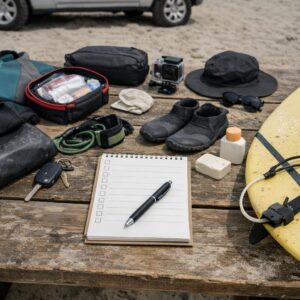
- Gear: Pack reef-safe sunscreen, rash guard, swimsuit, wax, earplugs, dry bag, and a small first-aid kit.
- Lessons: Book certified instructors for at least the first session, especially if you are unfamiliar with currents and surf etiquette.
- Insurance: Choose travel insurance with medical coverage, surfing activity coverage, trip cancellation, and baggage protection for expensive gear.
If you are flying, compare airline sports equipment policies before bringing your own board; oversized baggage fees can cost more than local surfboard rental. I’ve seen beginners travel with a shortboard they couldn’t use, then pay again to rent a foam board at the beach. Simple works best: rent first, learn the local conditions, then upgrade your equipment when you know what you actually need.
Common First Surf Trip Mistakes to Avoid: Wrong Breaks, Overpacking, Poor Timing, and Ignoring Surf Etiquette
One of the biggest first surf trip mistakes is choosing a wave that looks exciting online but is wrong for your level. A shallow reef break in Indonesia or a fast point break in Morocco may be famous, but if you are still working on your pop-up, a mellow beach break near a surf school is safer, cheaper, and far more productive.
Use tools like Surfline or Magicseaweed-style forecast data to check wave height, swell direction, tide, and wind before booking accommodation. For example, I have seen beginners arrive during a heavy swell week, pay premium hotel rates, then spend most days watching from shore because the conditions were too advanced.
- Overpacking: Bringing two boards, three wetsuits, and excess gear can trigger airline surfboard baggage fees that cost more than local board rental.
- Poor timing: Traveling in peak swell season without the skill to handle it can limit your water time and increase injury risk.
- Ignoring etiquette: Dropping in, paddling through the lineup, or sitting in the wrong spot can frustrate locals and create unsafe situations.
Before you go, compare surfboard rental cost, surf camp packages, airport transfers, and travel insurance that covers surfing. A smart setup is simple: one reliable rash guard or wetsuit, reef-safe sunscreen, a compact first aid kit, and a plan based on realistic surf conditions-not Instagram clips.
Respect the lineup, ask local instructors where to sit, and take your turn. Good surf etiquette often gets you better waves, better advice, and a much smoother first surf travel experience.
Wrapping Up: Best Surf Travel Tips for Planning Your First Surf Trip Insights
Your first surf trip doesn’t need to be perfect-it needs to be well-matched to your ability, budget, and comfort level. Choose a destination with forgiving waves, reliable instruction, and enough flexibility to adjust when conditions change. The best decision is the one that keeps you safe, relaxed, and excited to paddle out again.
- Prioritize wave suitability over hype.
- Leave room in your schedule for rest and weather changes.
- Invest in local knowledge when unsure.
Plan smart, stay humble, and let the ocean set the pace.