Your first surf trip can go wrong before you even touch the water.
For beginners, the biggest risks are often the ones that feel easy to overlook: unfamiliar breaks, strong currents, reef cuts, sun exposure, bad gear choices, and travel plans that leave no room for emergencies.
A solid surf trip safety checklist helps you prepare before the excitement takes over. It protects your body, your confidence, and your ability to actually enjoy the waves once you arrive.
Before you book the flight, pack the board, or paddle out in a new lineup, know what to check, what to avoid, and when to sit a session out.
Essential Surf Trip Safety Basics: Conditions, Fitness, and Travel Risks Beginners Must Understand
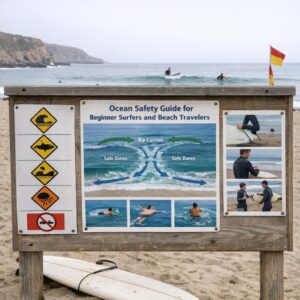
Before booking a surf camp or cheap flight, check whether the destination actually matches your ability. A mellow beach break on a small tide can turn risky with strong rip currents, reef exposure, or a sudden jump in swell size. Use Surfline, Windy, or Magicseaweed-style surf forecasts to review wave height, wind direction, tide, and local hazard notes before you paddle out.
Fitness matters more than most beginners expect. You do not need to train like a pro, but you should be able to swim comfortably for several minutes, paddle repeatedly, and stay calm after wiping out. I have seen first-time travelers struggle most on “easy” days simply because warm water, long paddles, and sun exposure drained them faster than expected.
- Check conditions daily: ask lifeguards, surf instructors, or local rental shops about currents, rocks, jellyfish, and safe entry points.
- Protect your trip cost: compare travel insurance that includes surfing, emergency medical care, board damage, and medical evacuation coverage.
- Plan for communication: keep offline maps, a waterproof phone pouch, and emergency contacts saved before heading to remote beaches.
Travel risks are not only about the ocean. Food poisoning, scooter accidents, stolen passports, sunburn, and missed transport can ruin a surf holiday quickly. For example, in Bali or Costa Rica, a beginner may focus on board rental prices but forget about helmet use, reef booties, or whether their health insurance covers private clinics abroad.
Choose lessons, accommodation, and transport based on safety-not just the lowest cost. A reputable surf school with certified instructors, proper beginner boards, and clear rescue procedures is often the best investment you make on the entire trip.
How to Build a Beginner Surf Travel Checklist for Gear, First Aid, Insurance, and Local Rules
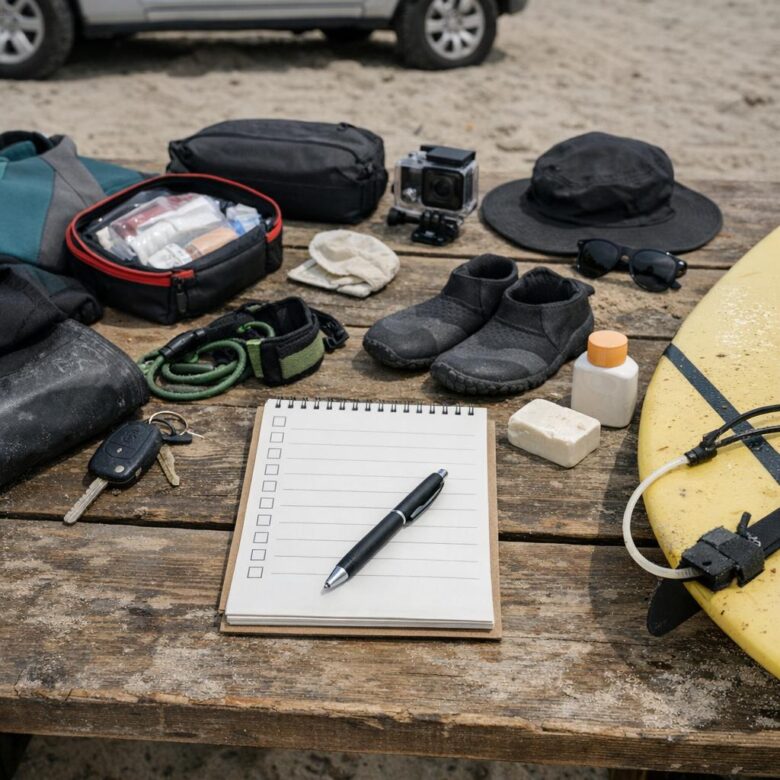
Start your surf travel checklist around the risks you can actually control: broken gear, reef cuts, medical costs, and local beach regulations. For beginners, the goal is not to pack more, but to pack the right items for the surf spot, airline baggage rules, and your ability level.
- Gear: soft-top or beginner-friendly board, leash, fins, wax for the water temperature, rash guard, reef booties, sunscreen, and a waterproof phone pouch.
- First aid: antiseptic wipes, sterile gauze, waterproof dressings, blister pads, tweezers, pain relief, and any personal medication.
- Documents: passport, visa details, surfboard baggage receipt, emergency contacts, and digital copies stored in Google Drive.
Travel insurance matters more than many beginners realize. Look for a policy that clearly covers surfing, emergency medical treatment, hospital costs, and medical evacuation, especially if you are traveling to remote islands or reef breaks. A cheap policy that excludes “adventure sports” may be useless after a fin cut that needs stitches.
Check local surf rules before paddling out. Some beaches have swimmer-only zones, protected reef areas, surf school lanes, or right-of-way customs that are taken seriously by locals. For example, in Bali, a beginner who paddles into a crowded reef break without booties, insurance, or basic lineup awareness can turn a small mistake into an expensive clinic visit and an avoidable conflict.
A simple final habit: review your checklist 48 hours before departure, then again before your first session. Small checks save money, stress, and skin.
Common Surf Travel Safety Mistakes to Avoid Before Paddling Out Abroad
One of the biggest mistakes beginners make is treating a surf trip like a normal beach holiday. Before paddling out, check whether your travel insurance actually covers surfing, reef cuts, emergency medical care, and medical evacuation; many cheap policies exclude “adventure sports” unless you upgrade.
Another common error is relying only on what the lineup looks like from the sand. Conditions can change fast with tide, wind, and swell direction, so check a trusted forecast tool like Surfline or Magicseaweed-style local reports, then compare it with what lifeguards or surf schools are saying that day.
- Ignoring reef and tide timing: A soft-looking wave at high tide can expose sharp coral or rock at low tide.
- Not checking board rental condition: Loose fins, cracked leashes, or soft-top damage can turn a small wipeout into a long swim.
- Skipping emergency planning: Save the nearest clinic, local emergency number, and your accommodation address offline.
I’ve seen beginner travelers in Bali paddle out at a famous reef break because “everyone else was out,” only to realize the inside section was too shallow to fall safely. A quick chat with a local surf guide or instructor often costs far less than a hospital visit or damaged rental board deposit.
Do not underestimate sun exposure, dehydration, and jet lag either. Use reef-safe sunscreen, drink water before the session, and avoid paddling out on your first day if you feel disoriented after a long flight.
Closing Recommendations
A safe surf trip starts with honest judgment. Choose destinations, waves, instructors, and gear that match your current ability-not the trip you hope to be ready for. Before booking, ask: Can I handle the conditions, get help quickly, and make smart decisions when tired or nervous? If the answer is uncertain, pick a beginner-friendly break, travel with experienced support, or take lessons first. The best surf memories come from preparation, patience, and knowing when to paddle out-and when to wait for a better day.