Cold water doesn’t care how good your session looks from shore.
The wrong wetsuit can turn clean waves, clear dives, or a weekend paddle into stiff arms, numb hands, and an early exit. Thickness matters-but it only works when the suit fits your body and matches the water you’re actually entering.
This guide breaks down wetsuit thickness, fit, seams, materials, and temperature ranges in plain terms, so you can choose a suit that keeps you warm without restricting movement.
Whether you’re surfing, swimming, diving, kayaking, or buying your first wetsuit, you’ll learn how to avoid the common sizing and warmth mistakes that cost people comfort, performance, and money.
Wetsuit Thickness Explained: How Neoprene Keeps You Warm in Different Water Temperatures
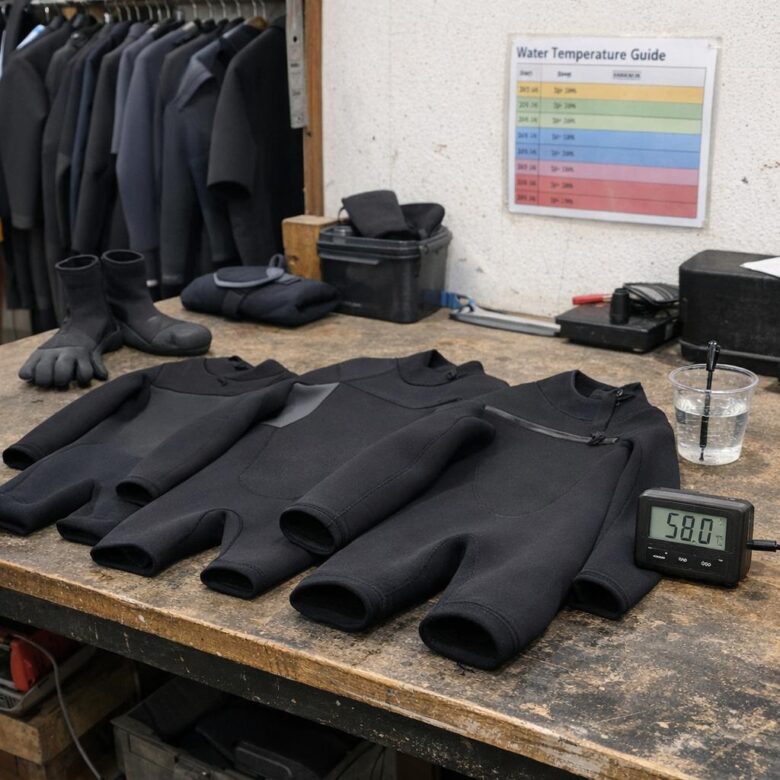
Wetsuit thickness is measured in millimeters, and it tells you how much neoprene insulation sits between your body and the water. A 3/2mm wetsuit, for example, usually has 3mm neoprene around the torso and 2mm in the arms and legs, giving warmth where you need it while keeping flexibility for paddling, surfing, or diving.
Neoprene works by trapping a thin layer of water against your skin; your body warms that water, and the suit slows heat loss. Fit matters as much as thickness-if cold water keeps flushing through the neck, wrists, or back zipper, even an expensive wetsuit will feel underpowered.
- 70°F / 21°C and above: rash guard, spring suit, or 1-2mm top for wind protection.
- 60-70°F / 15-21°C: 3/2mm full suit is the common choice for surfing and paddle sports.
- 50-60°F / 10-15°C: 4/3mm or 5/4mm wetsuit, often with boots, gloves, or a hood.
In real use, two people in the same water may need different gear. A surfer doing constant duck dives in 58°F water may prefer a sealed-seam 4/3mm suit, while a stand-up paddleboarder in the same conditions might be comfortable in a 3/2mm because they stay above the water longer.
Before buying, check local water temperature on Surfline or a dive computer like the Garmin Descent, then factor in wind, session length, and your cold tolerance. Paying more for glued seams, a thermal lining, and a better zipper system can reduce flushing and extend comfort more than simply choosing the thickest suit.
How to Choose the Right Wetsuit Fit, Seams, and Entry System for Comfort and Performance
A wetsuit should feel snug everywhere without cutting off breathing, shoulder movement, or circulation. If you can pinch large folds of neoprene at the lower back, chest, or underarms, cold water will flush through and reduce insulation. A good real-world test is to squat, paddle your arms, and lift both knees in the changing room before buying or renting.
For surfing, diving, triathlon, and paddle sports, fit matters as much as wetsuit thickness. Use the brand’s size chart on Wetsuit Wearhouse or the manufacturer’s website, but don’t rely on height and weight alone-chest, waist, and torso length often determine whether the suit seals properly. If you’re between sizes, prioritize a secure neck and torso fit over easy entry.
- Flatlock seams: breathable and affordable, best for warm water because they can let some water through.
- Glued and blind-stitched seams: better insulation for cold water, with less flushing and improved durability.
- Taped seams: a premium wetsuit feature for winter surfing, scuba diving, and longer sessions.
Entry system also affects comfort and performance. Back-zip wetsuits are easy to put on and usually cost less, but they may flush more at the zipper. Chest-zip designs offer a better seal and flexibility, while zipperless wetsuits feel the most mobile but require patience to get into.
One practical tip: bring the base layer or rash guard you actually wear in the water when trying on suits. A wetsuit that feels perfect in a store can become restrictive once you add a hooded vest, dive computer strap, or cold-water accessories.
Common Wetsuit Buying Mistakes: Overlooking Flexibility, Layering, and Seasonal Conditions
One of the most expensive wetsuit buying mistakes is choosing thickness alone and ignoring flexibility. A 5/4mm wetsuit may sound warmer, but if the neoprene is stiff around the shoulders, paddling a surfboard or swimming in open water becomes tiring fast. Before buying, check stretch panels, seam construction, and return policies from retailers such as Wetsuit Wearhouse or compare user feedback on REI.
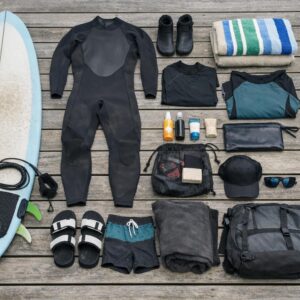
Layering is another area people underestimate. A good wetsuit hood, thermal rash guard, gloves, or wetsuit boots can make a mid-range suit work better in changing conditions, often for less cost than buying a second full suit. For example, a 4/3mm wetsuit with 5mm boots and a hood may be practical for spring surfing, while the same suit without accessories can feel cold during long dawn sessions.
- Ignoring wind chill: Cold air after a session can matter as much as water temperature, especially for surfing, kayaking, or diving.
- Buying for one perfect day: Choose based on your usual season, not the warmest weekend of the year.
- Skipping fit checks: Gaps at the lower back, neck, or wrists let water flush through and reduce insulation.
Seasonal conditions should guide your wetsuit cost and thickness decision. If you surf year-round, investing in a premium sealed-seam winter wetsuit may be smarter than replacing a cheap suit every season. For occasional paddleboarding or snorkeling, a lighter wetsuit with reliable layering accessories may offer better comfort, mobility, and overall value.
Key Takeaways & Next Steps
The right wetsuit is the one that matches your coldest realistic session, not your warmest day. If you are between options, choose warmth for longer exposure and flexibility for high-output activities like surfing or paddling.
- Pick thickness based on water temperature and wind, not just season.
- Prioritize a snug, leak-resistant fit over brand or style.
- Consider seam construction and entry system if you surf often or stay in longer.
A well-chosen wetsuit should let you focus on the water-not on shivering, flushing, or fighting stiff neoprene.