Book the wrong surf lesson, and your first wave could be your last attempt.
For beginners, the best surf lesson is not just the cheapest slot near the beach-it is the one with the right instructor, safe conditions, proper equipment, and a teaching style that builds confidence from the first paddle.
Before you hand over your money, a few checks can reveal whether a surf school is professional, beginner-friendly, and genuinely focused on your safety.
This guide breaks down what to look for before booking, so your first surf experience feels exciting-not intimidating.
What Makes a Beginner Surf Lesson Safe, Structured, and Worth Booking?
A good beginner surf lesson should feel organized before you even touch the water. Look for a licensed surf school with certified instructors, clear lesson pricing, wetsuit and soft-top surfboard rental included, and a safety briefing that covers rip currents, leash use, board control, and where to paddle out.
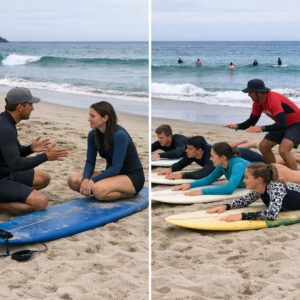
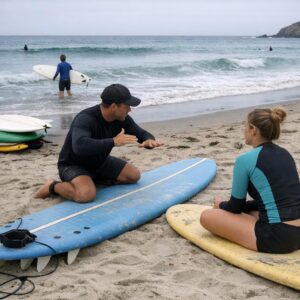
The best surf lessons for beginners usually start on the sand, not in the lineup. Your instructor should explain stance, pop-up technique, wave timing, and basic surf etiquette before moving into waist-deep water where conditions are easier to manage.
- Small group size: ideally one instructor for a few students, not a crowded “cheap surf lesson” with little feedback.
- Condition checks: instructors should review tide, wind, swell size, and hazards using tools like Surfline or local lifeguard reports.
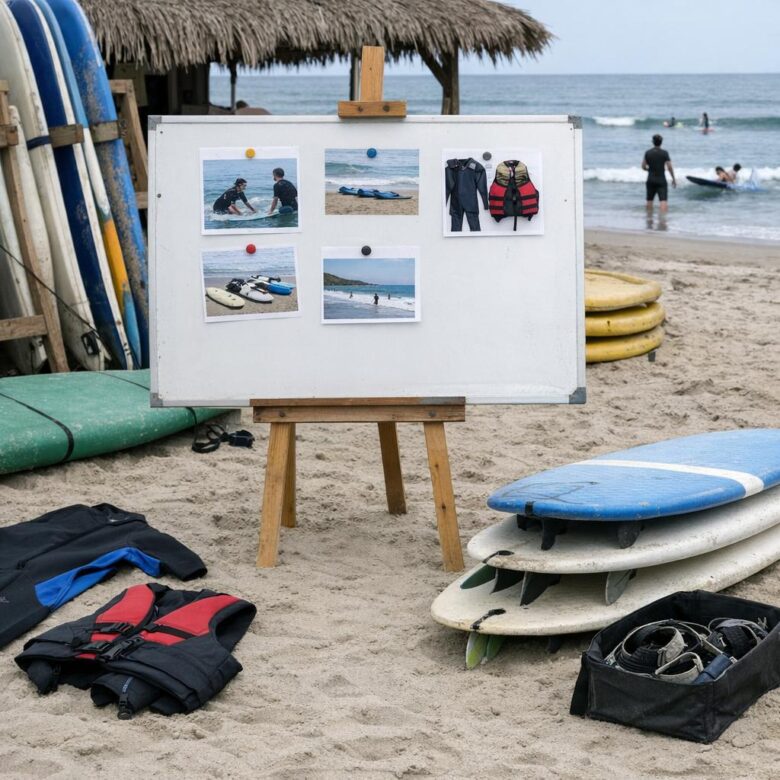
- Proper equipment: beginner-friendly foam boards, fitted wetsuits, rash guards, and secure leashes should be provided.
In real life, the difference is obvious. A quality instructor may move the whole class 100 yards down the beach because the sandbar is safer, while a poorly run lesson might push beginners straight into crowded peaks to save time.
Also check the booking details: cancellation policy, liability waiver, instructor credentials, insurance coverage, and whether photos or video coaching cost extra. Paying slightly more for a reputable surf school often buys better supervision, safer conditions, and a lesson plan that actually helps you stand up with confidence.
How to Compare Surf Schools, Instructors, Equipment, and Lesson Formats
Start by comparing more than the headline price. A cheap beginner surf lesson may cost more in the end if board rental, wetsuit rental, parking, or booking fees are added later, so check the full lesson package before paying online.
Look closely at instructor credentials and safety standards. A reliable surf school should explain instructor experience, CPR or lifeguard training, group size, beach conditions, and whether lessons are moved or refunded when surf conditions are unsafe.
- Instructor-to-student ratio: For beginners, smaller groups usually mean faster feedback and safer water time.
- Equipment quality: Soft-top beginner surfboards, proper leash length, and fitted wetsuits make a noticeable difference.
- Lesson format: Private surf lessons cost more, but they are often better for nervous beginners, kids, or adults with low fitness confidence.
Use platforms like Google Maps to read recent reviews, but focus on details rather than star ratings. Comments about patient instructors, clear safety briefings, clean wetsuits, and honest cancellation policies are more useful than generic “great experience” reviews.
For example, if two schools charge similar rates, choose the one that limits beginner groups to four students and includes wetsuit hire over a crowded class with vague equipment details. In real surf towns, I’ve seen beginners progress faster when the coach spends ten minutes on positioning and wave timing instead of rushing everyone into the water.
Before booking, confirm the meeting point, lesson duration, refund policy, and whether photos or video coaching are included. Video feedback can be a worthwhile add-on because it helps beginners understand stance, balance, and paddling mistakes quickly.
Common Booking Mistakes Beginners Should Avoid Before Their First Surf Lesson
One of the biggest mistakes is booking the cheapest surf lesson without checking what is included. A low lesson cost can look attractive, but you may later pay extra for surfboard rental, wetsuit hire, insurance, parking, or beach access fees. Always compare the full package price, not just the headline rate.
Beginners also often ignore surf conditions and choose a time based only on vacation convenience. Before booking, check the forecast on Surfline or ask the surf school whether the beach is suitable for first-timers that day. I have seen new surfers booked into “beginner lessons” at beaches with strong shore break, and most of the session was spent getting knocked around instead of learning.
- Not checking instructor credentials: Look for certified surf instructors, lifeguard training, and clear safety procedures.
- Booking oversized groups: A cheaper group surf lesson may mean less feedback, fewer waves, and more waiting.
- Skipping cancellation terms: Weather, swell changes, and travel delays can affect your booking, so read the refund policy first.
Another overlooked detail is location. Use Google Maps to check how far the surf school is from your hotel, where to park, and whether the meeting point is easy to find with a board and wetsuit. For a first surf lesson, convenience matters because rushing, arriving late, or missing the safety briefing can make the whole experience stressful.
Finally, avoid booking advanced-style lessons that promise fast progress but do not focus on ocean safety, pop-up technique, and beginner-friendly waves. The best surf lessons for beginners balance fun with risk management.
The Bottom Line on Best Surf Lessons for Beginners: What to Check Before Booking
Choosing the right surf lesson is less about finding the cheapest option and more about feeling safe, supported, and confident from the start. Before booking, look for instructors who prioritize ocean awareness, clear communication, suitable beginner conditions, and quality equipment.
Practical takeaway: if a surf school answers your questions clearly, keeps class sizes manageable, and puts safety before promises of quick progress, it is usually a strong choice. Book the lesson that matches your comfort level, not just your schedule. A good first session should leave you tired, smiling, and eager to paddle out again.