Your first surfboard can either speed up your progress-or make surfing feel impossible.
Most beginners buy a board that looks exciting but lacks the volume, stability, and forgiveness needed to actually catch waves. The right first board should help you paddle easier, stand up sooner, and build confidence session after session.
This guide breaks down what to check before buying: size, shape, construction, fin setup, durability, and whether a new or used board makes more sense. You’ll learn how to avoid the common mistakes that waste money and slow your learning curve.
What Makes a Surfboard Beginner-Friendly: Volume, Stability, Length, and Shape
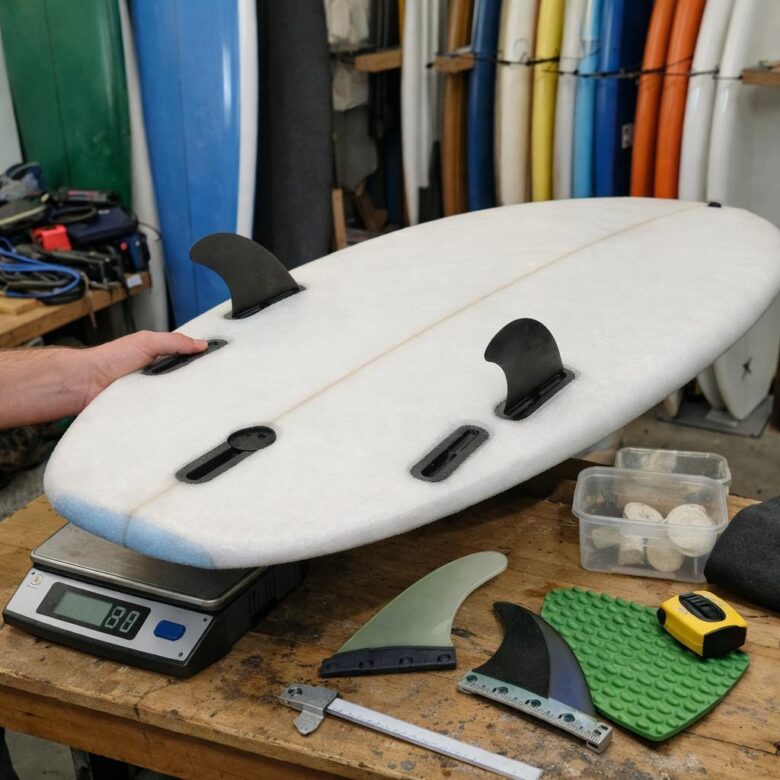
A beginner-friendly surfboard should make paddling, catching waves, and standing up easier-not just look good on the rack. The first number to check is volume, measured in liters, because it affects flotation. More volume helps you paddle faster and recover from wobbly pop-ups, especially in small or weak waves.
For most first-time surfers, a soft-top board between 7 and 9 feet is a safer, more practical choice than a shortboard. A real-world example: a 75 kg beginner will usually progress faster on an 8-foot foam board with generous volume than on a 6-foot “performance” board, even if the shorter board feels easier to carry.
- Volume: Higher liters provide better float and easier wave entry.
- Stability: A wider outline gives more balance when popping up.
- Shape: A rounded nose and fuller rails are more forgiving than narrow, sharp designs.
Length matters, but it should not be judged alone. A long, thin board can feel less stable than a slightly shorter board with more width and thickness. If you are comparing models online, use a tool like the Firewire Surfboards Volume Calculator or check local surf shop rental recommendations before buying.
In everyday conditions, stability beats speed. Unless you are already catching waves consistently, avoid low-volume shortboards marketed as “beginner performance” options. The better investment is a board that increases your wave count, reduces frustration, and works with common surf lesson conditions.
How to Choose Your First Surfboard Based on Height, Weight, Skill Level, and Local Waves
Your first surfboard should match your body size, fitness, and the waves you actually surf-not the board you hope to ride later. Most beginners progress faster on a high-volume soft top surfboard because it paddles easier, catches waves earlier, and is more forgiving during wipeouts.
As a practical rule, heavier or taller surfers need more volume and length. For example, a 5’8″, 150 lb beginner might do well on an 8′ foam longboard, while a 6’2″, 210 lb beginner will usually need a 9′ board or a larger mini mal to get the same stability and paddle power.
- Height and weight: choose enough volume so the board floats you comfortably without sinking under your chest.
- Skill level: true beginners should prioritize stability over speed, turns, or shortboard-style performance.
- Local waves: small, weak beach breaks need more length and volume; punchier waves allow slightly shorter beginner boards.
Before buying, check your local surf conditions on Surfline or Magicseaweed-style surf forecast tools to understand average wave height, tide behavior, and wind patterns. If your home break is often knee-to-waist high, a bigger foam board will be more useful than a trendy shortboard, even if the shortboard costs more.
A good surf shop can use a surfboard size chart, your weight, and your experience from surf lessons or board rentals to narrow the options. If possible, rent two sizes before purchasing; one session on the wrong board often teaches more than hours of online research.
Common Beginner Surfboard Buying Mistakes to Avoid Before You Spend Money
One of the biggest mistakes beginners make is buying a board that looks exciting instead of one that helps them catch waves. A narrow shortboard may look good in photos, but it usually leads to frustration, extra surf lessons, and wasted money on resale. For most first-time surfers, a soft-top longboard or high-volume funboard is the smarter investment.
Another mistake is ignoring local wave conditions. A board that works in clean shoulder-high surf may feel useless at a beach with weak, knee-high waves. Before buying, check your regular surf spot on Surfline and ask a local surf shop what volume and length suit the conditions.
- Buying too small: Low volume makes paddling harder and slows progress.
- Skipping inspection: Used boards can hide cracks, water damage, or poor repairs.
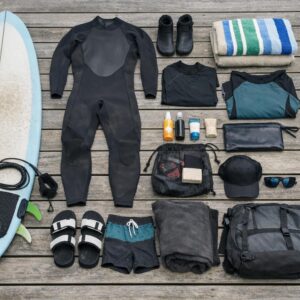
- Forgetting extra costs: Budget for fins, leash, wax, board bag, roof rack, and possible ding repair.
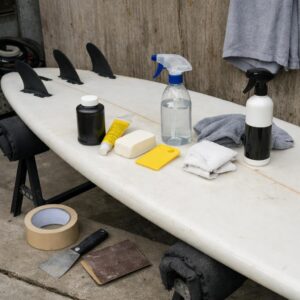
I’ve seen beginners spend more on fixing a cheap used fiberglass board than they would have paid for a reliable foam board. If a board feels unusually heavy, has soft spots, or shows brown staining near cracks, walk away or factor repair cost into the price.
Also avoid buying only by height charts. Your weight, fitness, paddling ability, and how often you surf matter just as much. If possible, rent or demo a similar board first; one session can save you from an expensive beginner surfboard mistake.
Final Thoughts on Beginner Surfboard Buying Guide: What to Check Before Your First Board
Your first surfboard should make learning easier, not prove how ambitious you are. Choose a board that gives you stability, wave count, and confidence before chasing performance.
Best decision rule: if you are unsure between two boards, pick the one with more volume, more forgiveness, and better durability. A beginner-friendly board will help you paddle sooner, stand up more often, and enjoy the process instead of fighting your equipment.
Buy for your current skill level, local waves, and realistic progression. The right first board is the one that keeps you surfing consistently.