Most beginners don’t “learn to surf” in a weekend-they learn just enough to realize surfing is harder, stranger, and more addictive than it looks.
How long it takes depends on your fitness, ocean confidence, board choice, wave conditions, and how often you practice. For some, standing up happens on day one; feeling truly in control can take months.
This guide gives you a realistic timeline for learning to surf, from your first whitewater rides to catching unbroken waves with confidence. You’ll also learn what slows beginners down, what speeds progress up, and how to set expectations that actually match the ocean.
What “Learning to Surf” Really Means: Beginner Milestones from Paddling to Riding Green Waves
Learning to surf is not one single skill. It is a series of small milestones, and each one affects how quickly you progress, how much your surf lessons cost, and what equipment you actually need. A beginner who can stand up in whitewater is improving, but that is different from reading the lineup and riding an unbroken green wave.
Most new surfers move through these stages:
- Paddling and positioning: building shoulder fitness, lying correctly on the board, and getting into waves without wasting energy.
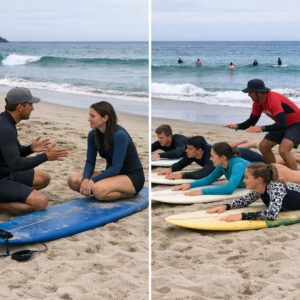
- Pop-up and whitewater rides: standing up with balance after the wave has already broken, usually on a foam surfboard rental.
- Green wave entry: catching an open-face wave before it breaks, then trimming across the wave instead of going straight to shore.
In real life, I often see beginners spend weeks thinking their pop-up is the problem, when the real issue is wave selection. For example, a learner at a mellow beach break may stand up easily in waist-high whitewater but miss every green wave because they paddle too late or sit too far inside.
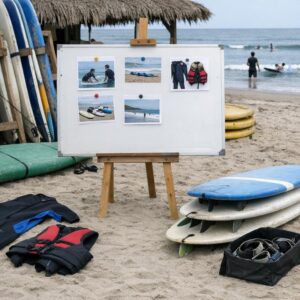
This is where smart tools help. Checking Surfline before a session can show tide, wind, swell height, and wave period, which helps you avoid conditions that are too steep, crowded, or advanced. Pair that with a beginner surf lesson, the right wetsuit thickness, and a stable soft-top board, and your progress becomes much more predictable.
A useful goal is simple: first control the board, then catch waves consistently, then ride along the face. That is when you are truly learning to surf, not just surviving the ride.
A Realistic Surfing Timeline: How Lessons, Practice Frequency, Fitness, and Wave Conditions Affect Progress
Most beginners can stand up in their first surf lesson, but that does not mean they can “surf” independently. A realistic surfing timeline depends heavily on lesson quality, practice frequency, swimming fitness, board choice, and whether you learn in clean beginner waves or messy beach break conditions.
If you take one weekly group lesson, expect slower progress because you spend more time relearning basics. With two to three sessions per week, plus a soft-top surfboard rental that matches your weight and skill level, many beginners start catching small whitewater waves consistently within a few weeks.
- 1-3 sessions: basic pop-up, paddling position, safety rules, and first assisted rides.
- 1-2 months: better balance, cleaner takeoffs, and more confidence in small waves.
- 3-6 months: catching unbroken green waves, reading peaks, and making simple turns.
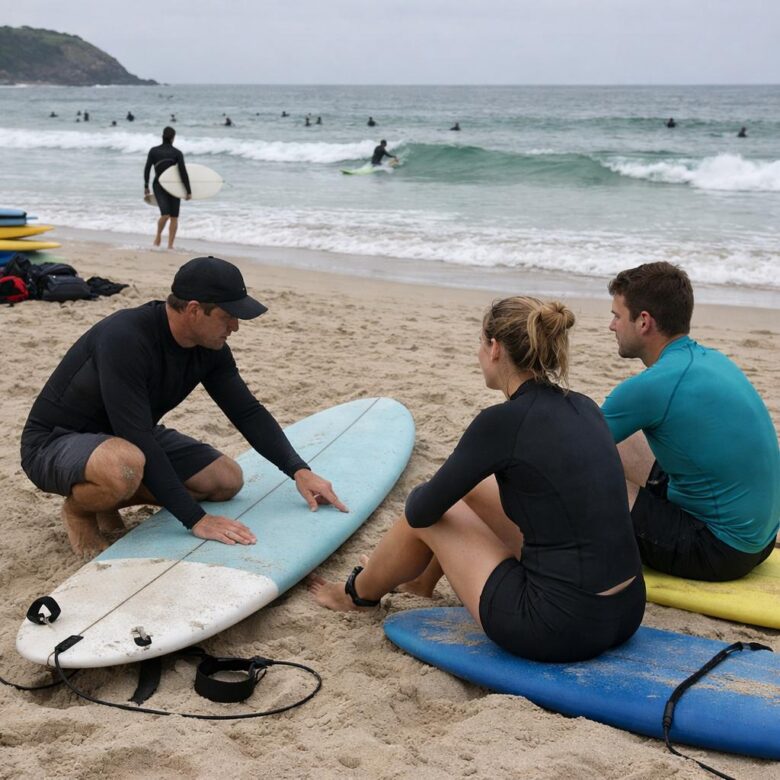
Private surf coaching usually speeds things up because feedback is immediate. For example, I’ve seen beginners struggle for weeks simply because their hands were too far forward on the board; one correction changed their takeoff almost instantly.
Wave conditions matter more than people think. Using Surfline to check swell height, wind, tide, and beach reports can save wasted sessions and reduce frustration, especially if you are paying surf lesson costs or traveling to a surf camp.
Fitness also affects your learning curve. Basic swim conditioning, shoulder mobility work, and a fitness tracker like Garmin or Apple Watch can help monitor recovery, but the biggest benefit comes from consistent water time. Surfing rewards repetition, not rushed expectations.
Common Beginner Surfing Mistakes That Slow Progress-and How to Improve Faster
One of the biggest beginner surfing mistakes is choosing the wrong board. A shortboard may look exciting, but most new surfers progress faster on a soft-top beginner surfboard with more volume because it paddles easier, catches waves earlier, and gives you more stability during pop-ups.
Another common issue is spending too much time in the wrong part of the beach. I often see beginners sitting too far outside, missing every wave, or too close to shore where the whitewater has no power; a single surf lesson or local surf coaching session can save weeks of frustration and make the surf lessons cost feel worthwhile.
- Fix your positioning: watch where experienced surfers catch waves, then sit slightly inside that zone until your timing improves.
- Practice pop-ups on land: use a yoga mat or balance trainer before each session to build muscle memory.
- Review your sessions: record clips with a GoPro or ask a friend to film from the beach so you can spot slow paddling, knee pop-ups, or poor foot placement.
Many beginners also underestimate equipment comfort. A leaking wetsuit, slippery wax, or the wrong surfboard rental can cut sessions short, and less time in the water means slower improvement.
For example, a beginner who switches from a 6’6 board to an 8′ foam board usually catches more waves in one session, which builds confidence quickly. Better wave count, safer equipment, and honest feedback are the real shortcuts-not trying to surf “harder.”
Key Takeaways & Next Steps
Learning to surf is less about hitting a fixed timeline and more about building comfort, consistency, and good judgment in the water. Most beginners can catch whitewater fairly quickly, but becoming confident takes regular practice, patience, and the right conditions.
If you want faster progress, start with a suitable beginner board, take at least one proper lesson, choose mellow waves, and surf consistently rather than occasionally. The best decision is simple: set realistic expectations, measure progress in small wins, and prioritize safety over speed. Surfing rewards commitment, not rushing.